
what's the difference between tempered glass and regular glass
Metal vs. Block An In-Depth Comparison in Modern Applications In the ever-evolving realm of materials science, the choice between metal and composite blocks has become a critical topic for engineers and designers alike. Each material comes with its own set of advantages and challenges, which can significantly influence the performance, durability, and cost-effectiveness of a project. Metal vs . Block An In-Depth Comparison in Modern Applications However, metals do come with their downsides. They can be heavy, leading to increased weight in applications where reducing mass is crucial. Additionally, metals are susceptible to corrosion, which can compromise their integrity over time, especially in harsh environments. Engineers often need to consider protective coatings or alloying elements to mitigate these issues, which can add to the cost and complexity of projects. metal v block On the other hand, block materials—often referring to composite blocks—have gained popularity in recent years. Composites, made from a combination of materials such as plastics, fibers, and resins, offer exceptional lightweight properties without sacrificing strength. This characteristic has led to their widespread use in industries like sports equipment, marine applications, and even in some aerospace components. One notable advantage of composite blocks is their resistance to corrosion and environmental degradation. The non-metallic nature of these materials allows them to perform well in scenarios where metals would typically fail, such as exposure to saltwater or chemical environments. Moreover, composites can be engineered to exhibit specific properties tailored to particular applications, providing designers with unparalleled flexibility. However, the use of composite blocks is not without limitations. The manufacturing processes for composites can be more intricate and costly, especially when it comes to ensuring consistent quality and performance. Additionally, the repair of composite materials can be more challenging than traditional metal repairs, necessitating specialized knowledge and techniques. In conclusion, the choice between metal and block materials ultimately hinges on the specific requirements of a project. Metals provide unmatched strength and proven engineering benefits, while composites offer versatility and resistance to environmental challenges. Understanding the unique properties of each material allows engineers to make informed decisions that align with their project goals, ensuring optimal performance and longevity. As advancements continue in both fields, the debate between metal and block will undoubtedly keep evolving, highlighting the importance of innovation in materials science.
about
what's the difference between tempered glass and regular glass
Steel Brackets for Timber A Durable and Practical Solution Timber is a popular building material due to its natural beauty, strength, and versatility. However, it also requires proper support to ensure its stability and longevity. Steel brackets are an essential component in timber construction, providing the necessary reinforcement and stability to wooden structures. One of the primary advantages of using steel brackets for timber is their durability. Steel is a strong and resilient material that can withstand harsh weather conditions, including heavy winds, rain, and snow. This means that the brackets will remain intact and continue to provide support to the timber structure even after years of use. Another advantage of steel brackets is their versatility. They can be used in a wide range of applications, from small residential projects to large commercial developments. Whether you're building a deck, a pergola, or a roof, steel brackets can be customized to fit your specific needs. In addition to their durability and versatility, steel brackets are also relatively easy to install In addition to their durability and versatility, steel brackets are also relatively easy to install In addition to their durability and versatility, steel brackets are also relatively easy to install In addition to their durability and versatility, steel brackets are also relatively easy to install steel brackets for timber . They come in a variety of sizes and shapes, so you can find the perfect match for your timber project. Plus, most brackets are designed to be quick and simple to attach to the wood, saving you time and effort on the job site. When it comes to cost, steel brackets are generally more expensive than other types of brackets, such as plastic or wood. However, the long-term benefits of using steel far outweigh the initial cost. The brackets will last longer, require less maintenance, and provide better support for your timber structure. In conclusion, steel brackets are a durable and practical solution for reinforcing and supporting timber structures. Their strength, versatility, ease of installation, and long-term benefits make them an excellent choice for anyone looking to build or renovate with wood. So, if you're in the market for brackets for your next timber project, consider choosing steel for a reliable and long-lasting solution.
-

High quality industrial productsagement

High quality industrial products
View Details -

Meet the diverse needs of customers

Meet the diverse needs of customers
View Details -

Strict quality control

Strict quality control
View Details -

Top raw materials

Top raw materials
View Details -

Trusted supplier

Trusted supplier
View Details
Our application

news and information
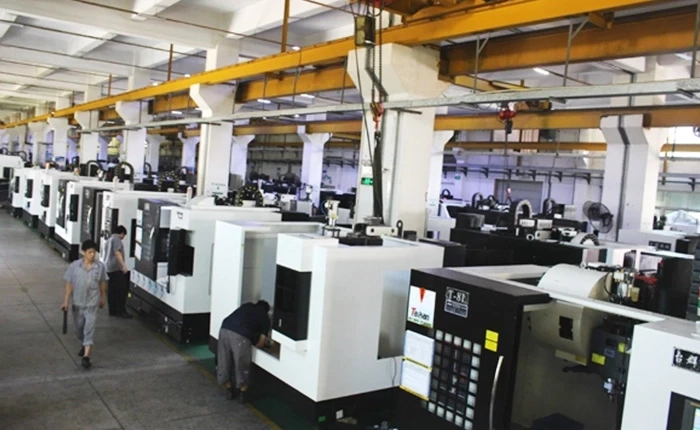
welding fab table for sale
The Rise in Popularity of Welding and Fabrication Tables for Sale In recent years, the demand for we
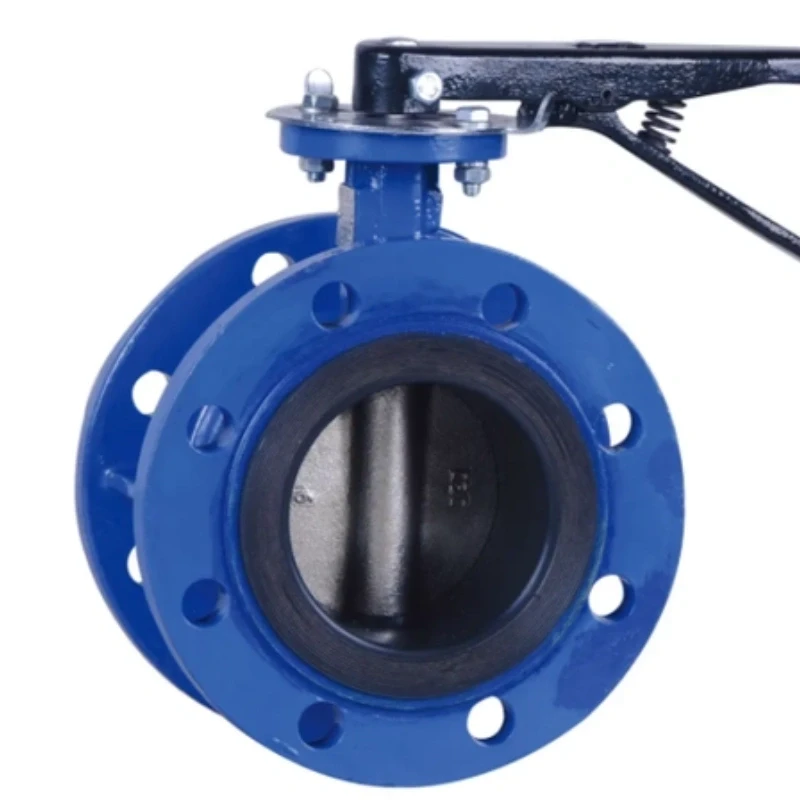
Versatile and Compact Welding Workbench for Efficient Metal Fabrication
The Portable Welding Table A Essential Tool for Welders In the dynamic world of metalwork and fabric
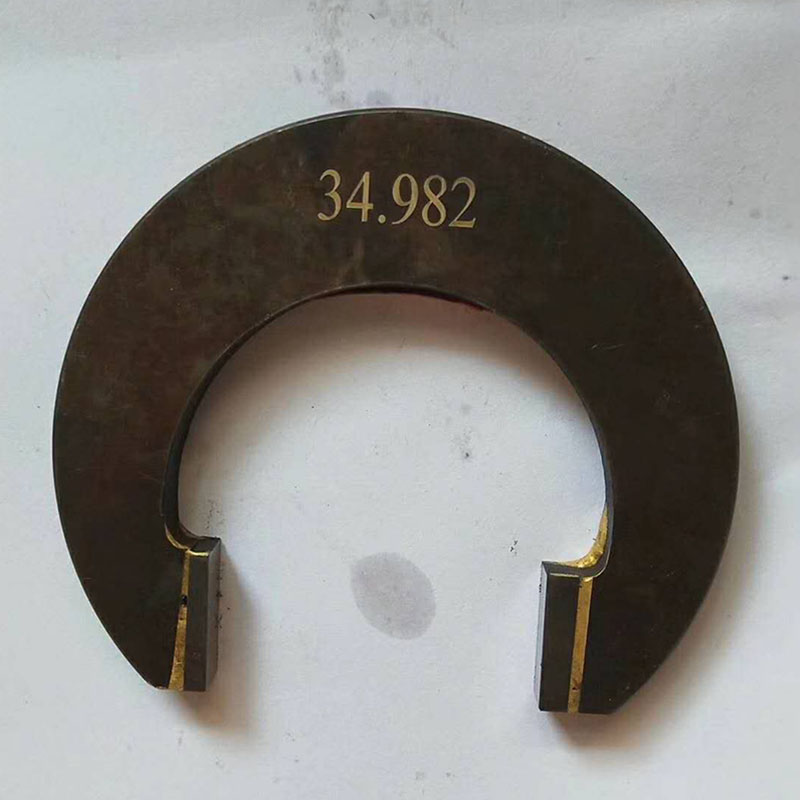
Varieties of Flow Control Valves and Their Applications in Fluid Management
Different Types of Flow Control Valves Flow control valves are essential components in various fluid
 English